The delicate dance behind Mina The Hollower’s challenge.
Die and try again. It’s become a simple mantra with deep hooks for a particular audience. There’s a fine line between teachable and punishing. It’s a delicate dance a developer must partake in with their audience to instill confidence without breaking them. Don’t go far enough, and achievements may feel empty compared to others with shared gameplay traits. Go too far over the line, and you run the risk of the classic “fuck this” moment that leads to completely abandoning the game. But when the beat hits just right, there’s nothing more satisfying than fulfillment rooted in personal growth as a player.
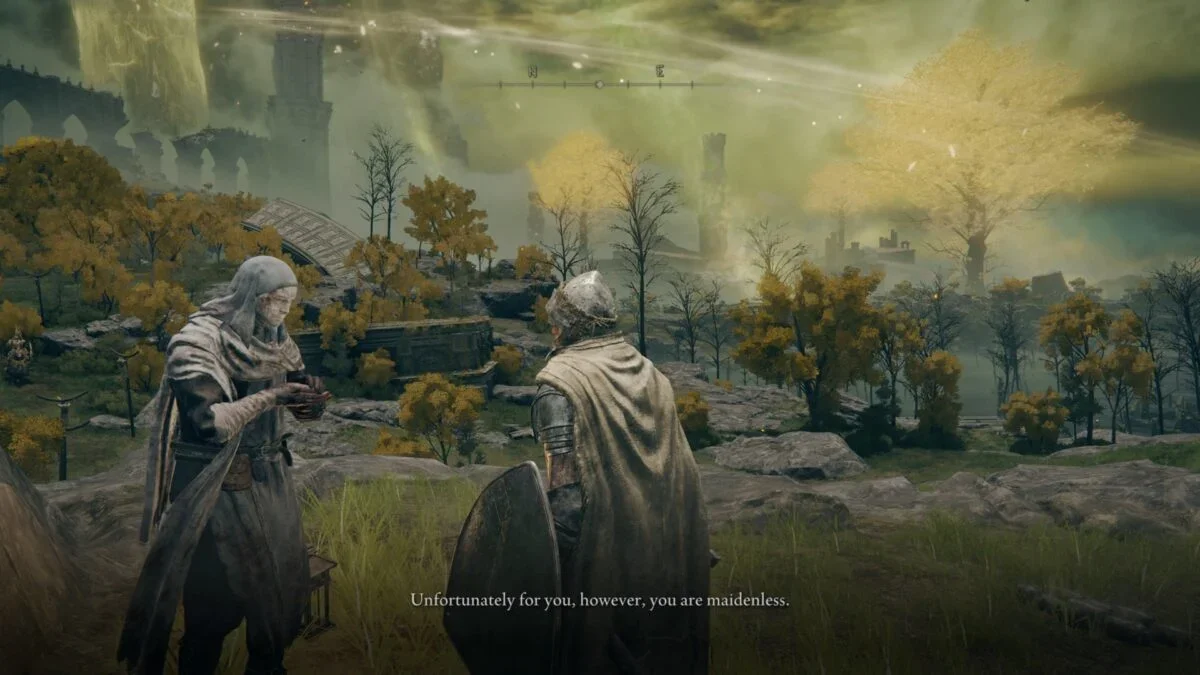
Miyazaki has become a figurehead for many when it comes to striking that balance. The modern FromSoftware catalog continues to iterate on its rhythm with the player, resulting in renowned experiences over and over again. They’ve become the goalpost for challenge, and results tend to vary quite heavily. While super fun, the demo for Onimusha: Way of the Sword felt like empty calories in terms of its challenge (though that may change in the final build). Meanwhile, courtesy of a gnarly difficulty spike, Wuchang: Fallen Feathers drove me to abandon an otherwise great game during the pre-launch review period.
Wearing its inspirations on its sleeve, I was curious how Yacht Club would interpret the dance. What does “die and try again” look like within the framework of a Zelda-like adventure? Would they lean too heavily into punishing retro difficulty, or compose their own tune? Rolling credits after 25 hours, Mina The Hollower left me with a sense of satisfaction courtesy of the cadence driving its challenge.
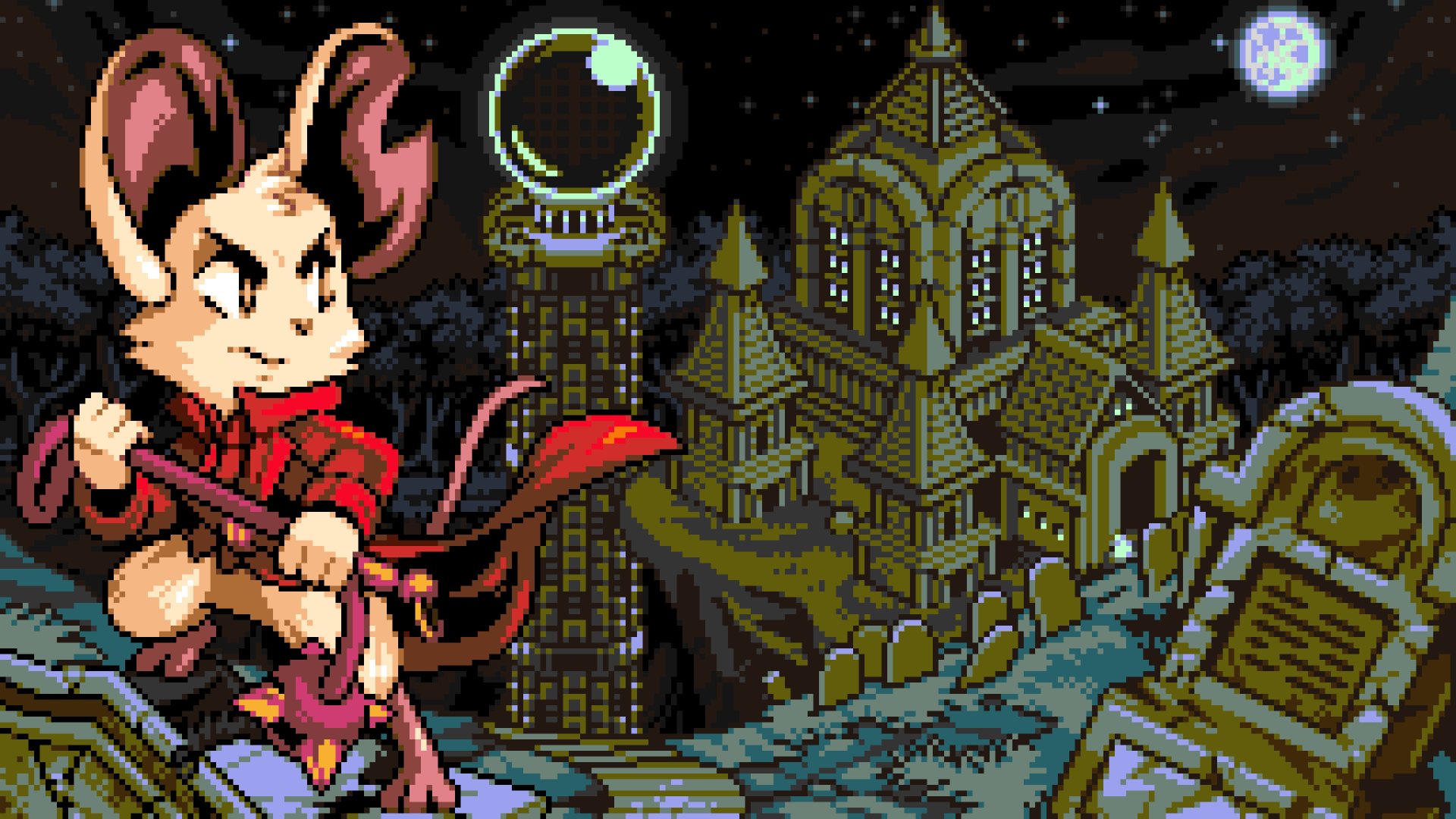
I keep using terminology like “rhythm” and “dance” when thinking about challenge. Music is an apt metaphor when appreciating Mina The Hollower’s throughline, so why not lean into it? Bosses act as the tracks on an album taking you on an adventure. The opening song serves as an onboarding to the aural experience you’ve begun, with each track naturally progressing you until the final beat. I found that Mina The Hollower carries a tune that is both comfortable yet teeters on the edge of the challenge line, creating a natural sensation of dissonance. All of this felt apparent from the opening moments of the game.
Taking the music metaphors and comparisons one step further, allow me to shove Alkaline Trio’s 2018 album Is This Thing Cursed? into the mix. One of my personal favorites in recent memory, the album tackles themes of political and societal filth, the ebbs and flows of depression, and hometown pride through a timbre that simply rips in the rawest fashion. The title track, which opens the record, eases you into its story with soft guitar tones and an accompanying soothing vocal performance before a rising swell crashes into the first beat about a minute into the song. A similar flow can be pinpointed in Mina The Hollower’s onboarding and prologue.
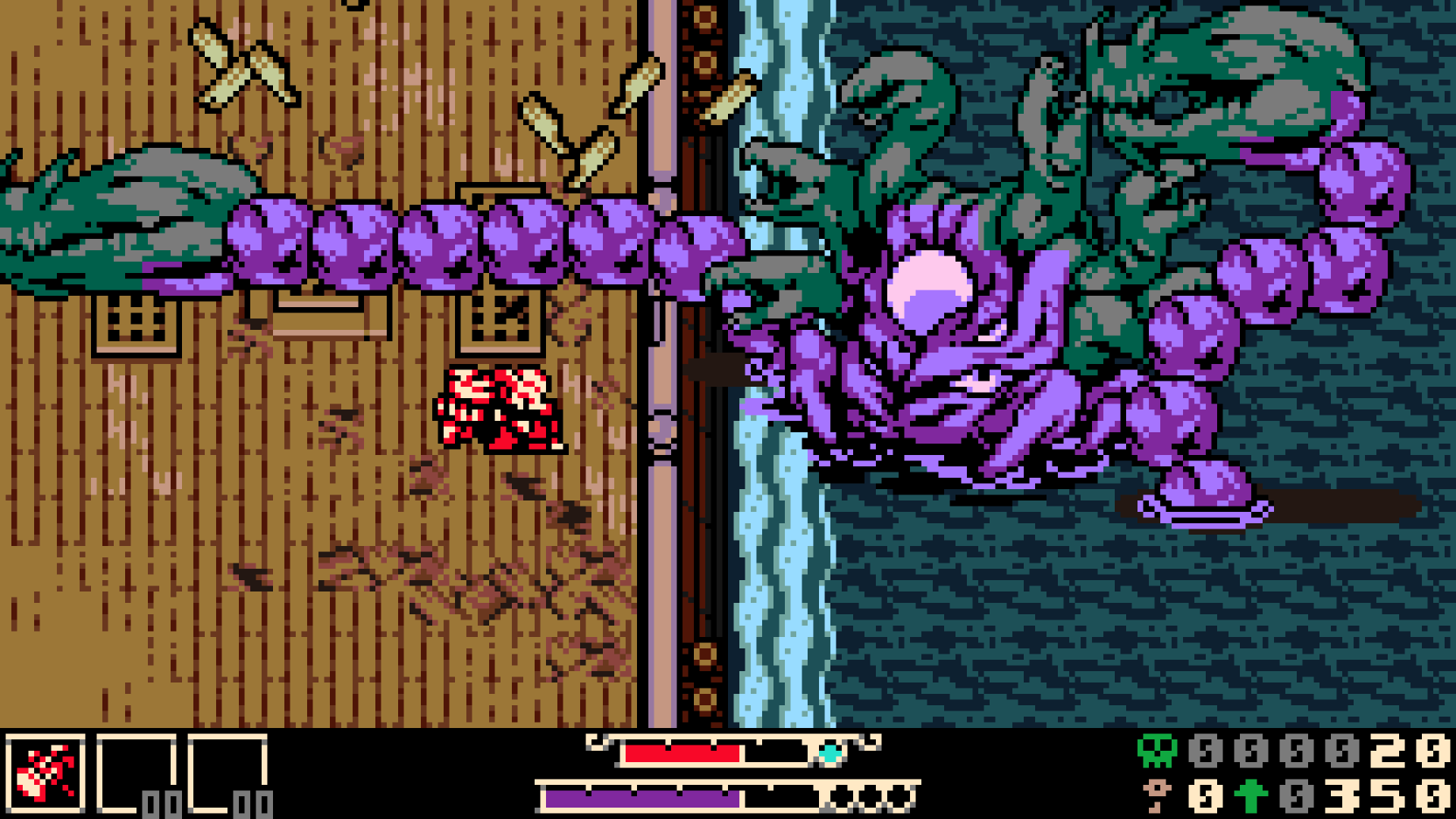
As you gain control of Mina, Yacht Club allows you the space to acclimate yourself to the world. You’re given room to get a feel for Mina’s movement, both freely and through unspoken tutorials. You’re then given the choice of three distinct playstyles through its introductory weaponry, with the ability to swap between and test each at your own pace. These are the opening moments of a song, where its vocals and clean guitar ease you into the journey that lies ahead. The brief rising swell comes in the form of a staircase, leading into the first crash: a kraken’s arm driving the rest of the song.
What I adore about this initial boss fight is that, while it’s a “scripted death,” there is incentive to dance to your heart’s content in an effort to carve out victory for a reward. To be perfectly clear, I died. The laces on my dancing shoes weren’t tied tight enough to earn the reward I only know about through a Google search. But the beautiful aspect of an open-ended scripted death is what lies ahead. The needle isn’t abruptly lifted off the record. Instead, the song naturally rings out, leading into the swell of the second track: the first boss you must take down. Now we’re in the perfect headspace to enjoy the remainder of the album.
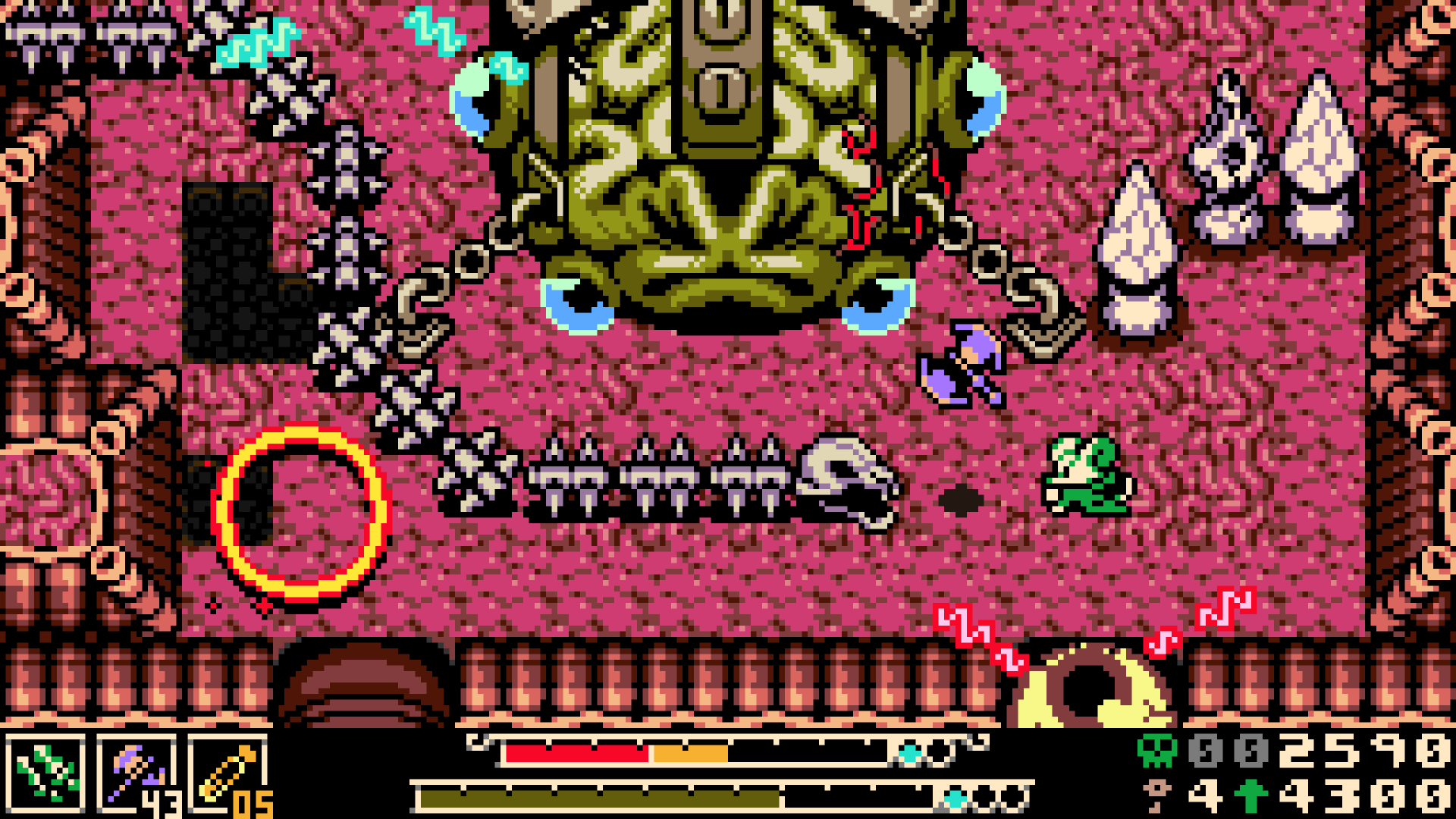
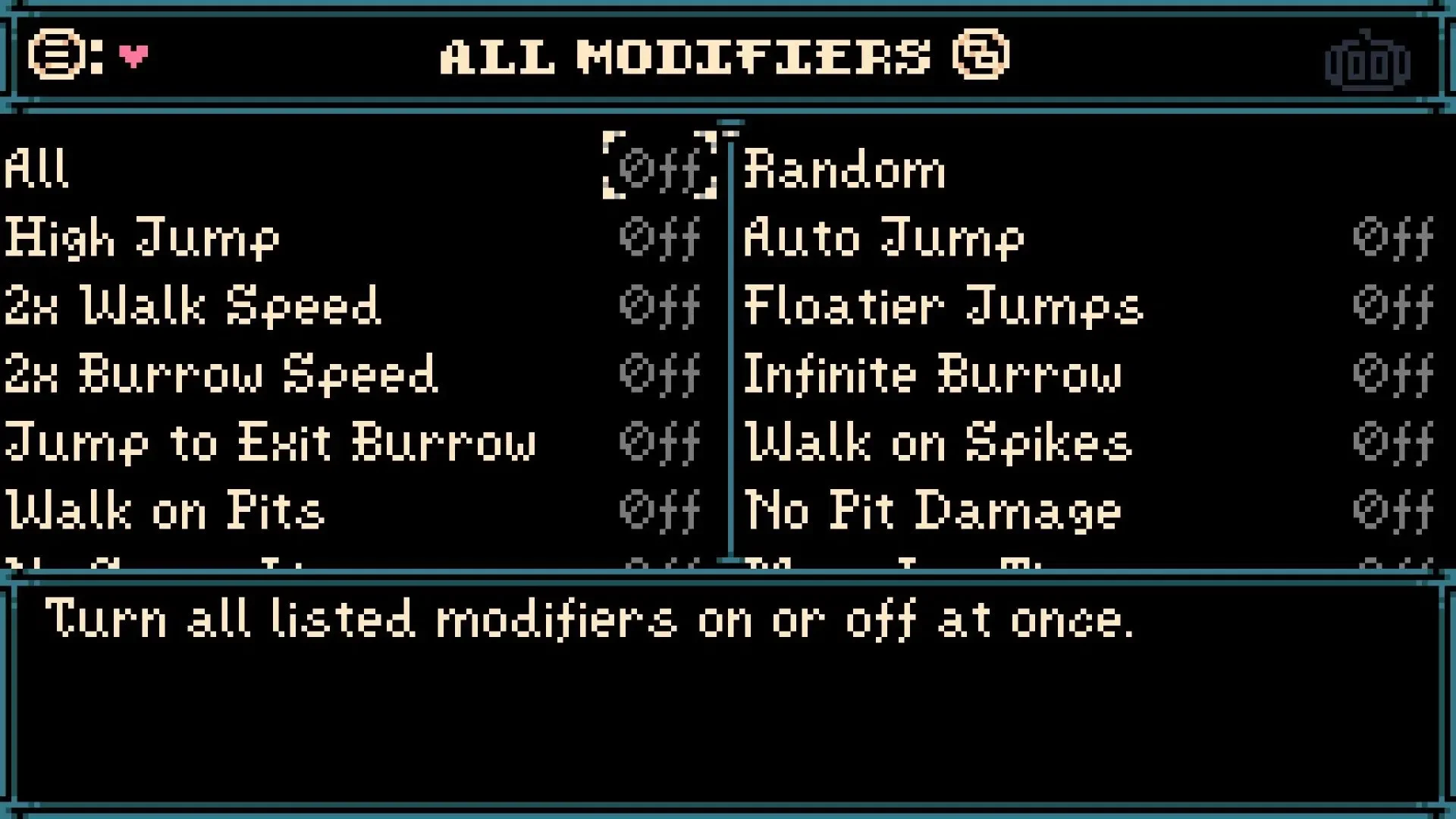
The mechanics that make each boss tick share a common trait that’s difficult to put into a single word. It’s that aforementioned rhythm that takes the player from a mindset of “how am I ever going to possibly do this?” to victory. The movement, the animations, the offensive and defensive maneuvers; all lyrics you naturally learn little by little with each listen. Soon enough, you’re able to sing along. Once again, it’s that delicate dissonance that Yacht Club strikes, keeping players encouraged, empowered, and engaged through all stages of learning a fight to keep on trying even after failure. Keeping the player engaged is the key trait here, as swaying too hard toward either extreme can throw things off tempo. Everyone’s individual experience is going to vary, but I found each boss carrying that exact throughline without ever feeling stale or predictable. From the shredding licks of a giant monster to the acoustic rhythms of a swift hunter, each boss was a fresh set of lyrics I was thrilled to learn. I’d also be remiss not to briefly mention the flurry of modifiers available to make the game fit your needs. If you’re struggling to find the beat, there’s likely an option available to help you enjoy the album.
Now, of course, Mina The Hollower is not without its flaws. There are quite a few syncopated beats that veer off the path at times, especially when it comes to certain platforming sections. But regardless of those moments, Yacht Club has clearly done its homework when it comes to a challenging boss fight. As I rolled credits, I was surprised to think back on those 25 hours and struggle to find a single boss I did not enjoy dancing with. Credit once again goes to the inner workings that give each boss its soul (no pun intended), but also to the brilliant art direction, music, narrative staging, and more that flesh out the full picture. Every detail serves as its own instrument, delivering a hit you can’t help but bob your head to.
Before I close out, it feels only right to commit to the music bit and come full circle with my early examples. Onimusha: Way of the Sword’s demo felt like Katseye’s Internet Girl. Catchy, easy to learn, a certified bop. But personally (with no ill will whatsoever to my Katseye crew and Wesley LeBlancs out there), it feels a bit empty when singing along. Wuchang: Fallen Feathers is Cannibal Corpse’s Hammer Smashed Face. A certified banger, and it absolutely shreds when it hits right. But eventually, the beating I’m taking is enough and I need to call it quits. But Mina The Hollower? That’s my Throw Me to the Lions by Alkaline Trio, a chorus I belt out any time it hits my ears.
