Mortal Shell II feels built around setting players up for success.
Mortal Shell felt as if it was personally hand-crafted for me; a sicko soulslike with a doom metal aesthetic. Being completely enamored with the world and tone is what kept me coming back, but it wasn’t enough to keep me going. I’ve played the first hour or so four or five times over the years, trying my damndest for it to click. But alas, it never did.
The original game has found a dedicated audience, and I’ve always been envious of those who could get enraptured within it. Each attempt felt clunky, sluggish, and felt as if it fought back with me on a foundational level. It’s the core reason why the title card hit during that initial Summer Game Fest reveal left me with (unfair and early) disappointment. But after years of yearning for a taste of the affection folks have for the original, I finally feel comfortable in a world brimming with beautiful doom and gloom courtesy to its sequel.
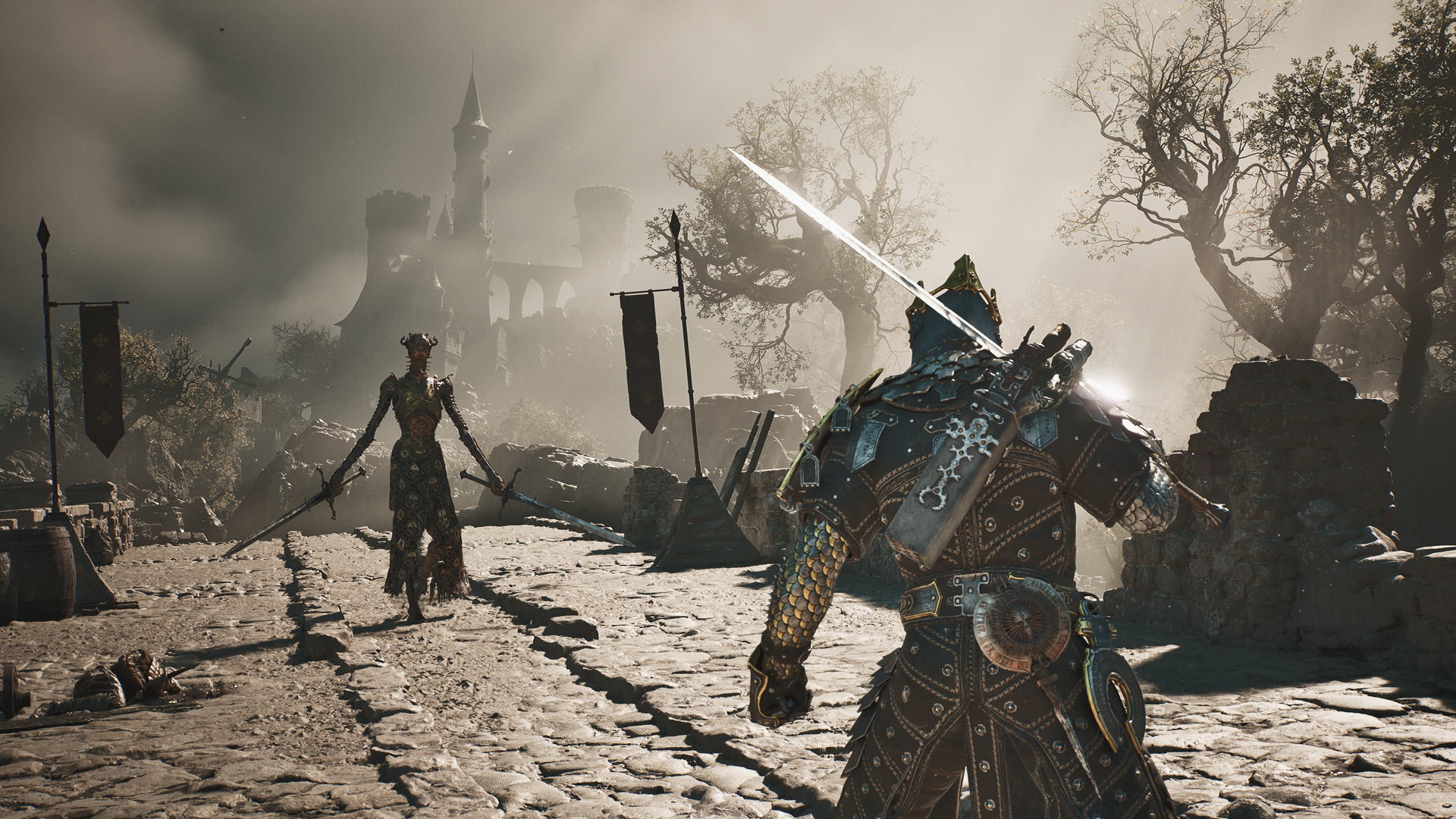
Mortal Shell II is the antithesis of a developer integrating feedback and improving their vision on a foundational level. More so, it’s about nailing the foundation and then expanding upon it even further. It reminds me quite a bit of Lies of P; taking lessons learned from other entries in the genre to create something both familiar and exciting. Taking that a step further, it feels like a development journey that is seeped in setting the player up for success. Between the combat, the breadth of options, and how downright fun the world is to explore, Mortal Shell II has become my new go-to recommendation for any newcomers looking to dip their toes into the genre.
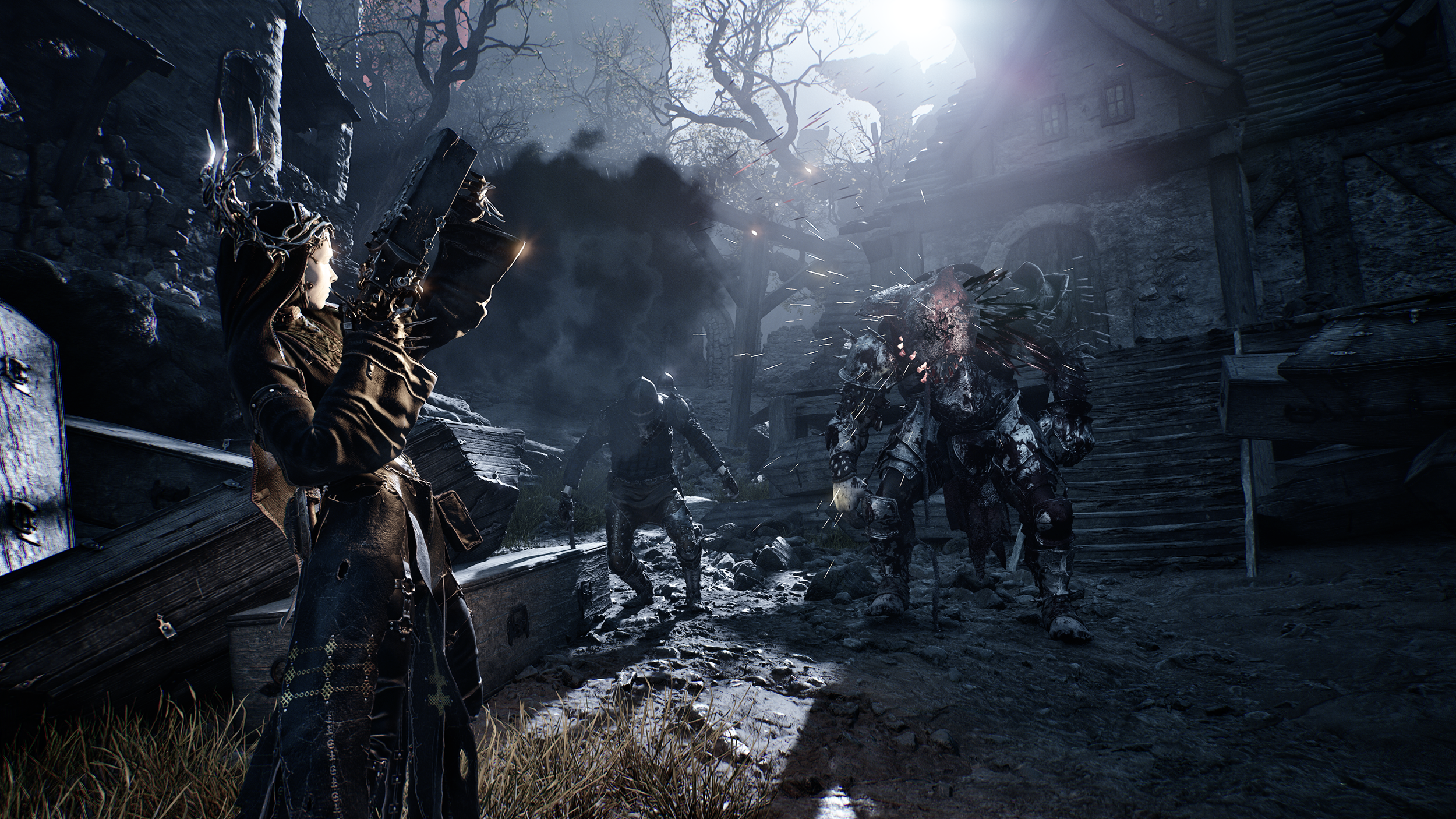
Confidence plays a major role in approaching a soulslike. Without confidence, hesitation and anxiety have more room to breathe. Now, both are super valuable aspects for the genre. When it comes to these games, I’d like to think of them as patience’s cousins. But too much hesitation and anxiety can create a moment of stasis. The lack of forward momentum doesn’t allow the chance to learn how the game ticks, ultimately resulting in frustration until you pop the disc out or uninstall the game. Now, this is not me saying it’s all on the player to find that confidence on their own. There are countless entries in this genre that set folks up for failure. The “get good” sensibilities are counterproductive, especially when it comes to establishing a strong set of tools. Mortal Shell II’s biggest achievement is providing a comprehensive toolset where anyone can find that confidence.
First off, how any of these games feel is the root of the genre. Some games simply don’t capture a good feel. Moment to moment, enemy by enemy, I was in awe of how good Mortal Shell II’s combat felt. What was clunky, sluggish, and fought back in the original now felt like a comprehensive and cohesive dance. With strong roots in place, developer Cold Symmetry takes a major swing with two bold decisions: the lack of a stamina bar and stat-less leveling. The simplicity aids in nailing the foundation, and the tools expand beyond it towards a refreshing experience.
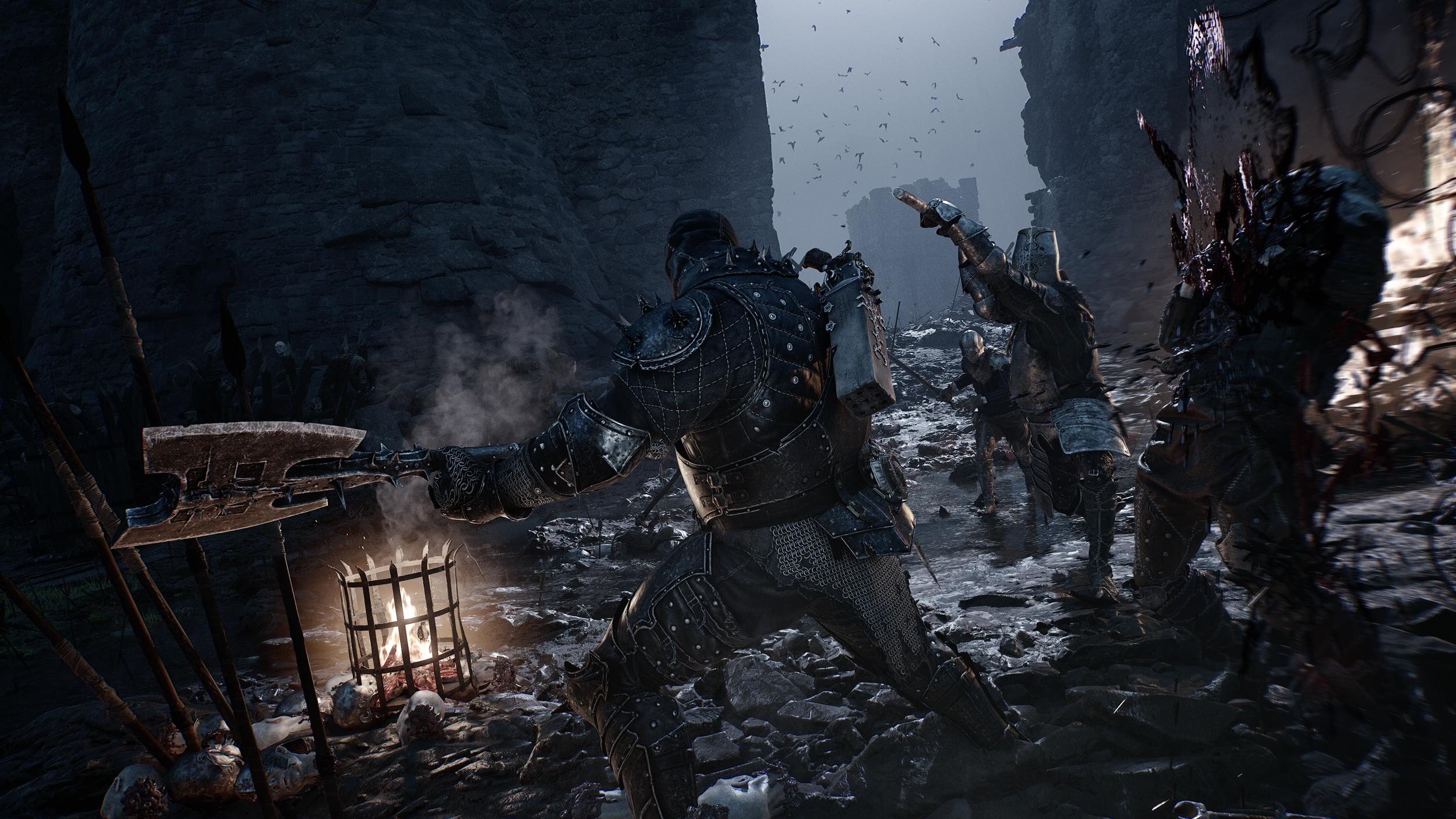
Parrying is completely overhauled through equipable seals, offering players three approaches to defending and breaking stances. Compared to other games, the choice essentially boils down a Dark Souls, Lies of P, or Sekiro feel (give or take). Now, for those who do not vibe with parrying, builds can be crafted to favor dodging. That’s where the shells come into play. Shells are essentially the different classes you’ll discover and unlock through exploration. The same goes for weapons. Through shells and weapons, the game allows you to find a confident playstyle. Better yet, with the lack of stamina and stats, you can swap shells, skills, weapons, and more at any given time without consequence. No need to respec with a specific NPC that requires a finite item, no feeling locked out due to leveling choices; just some menu work at a beacon (a bonfire) and maybe some gold or gloom (souls) depending on what you’re trying to do.
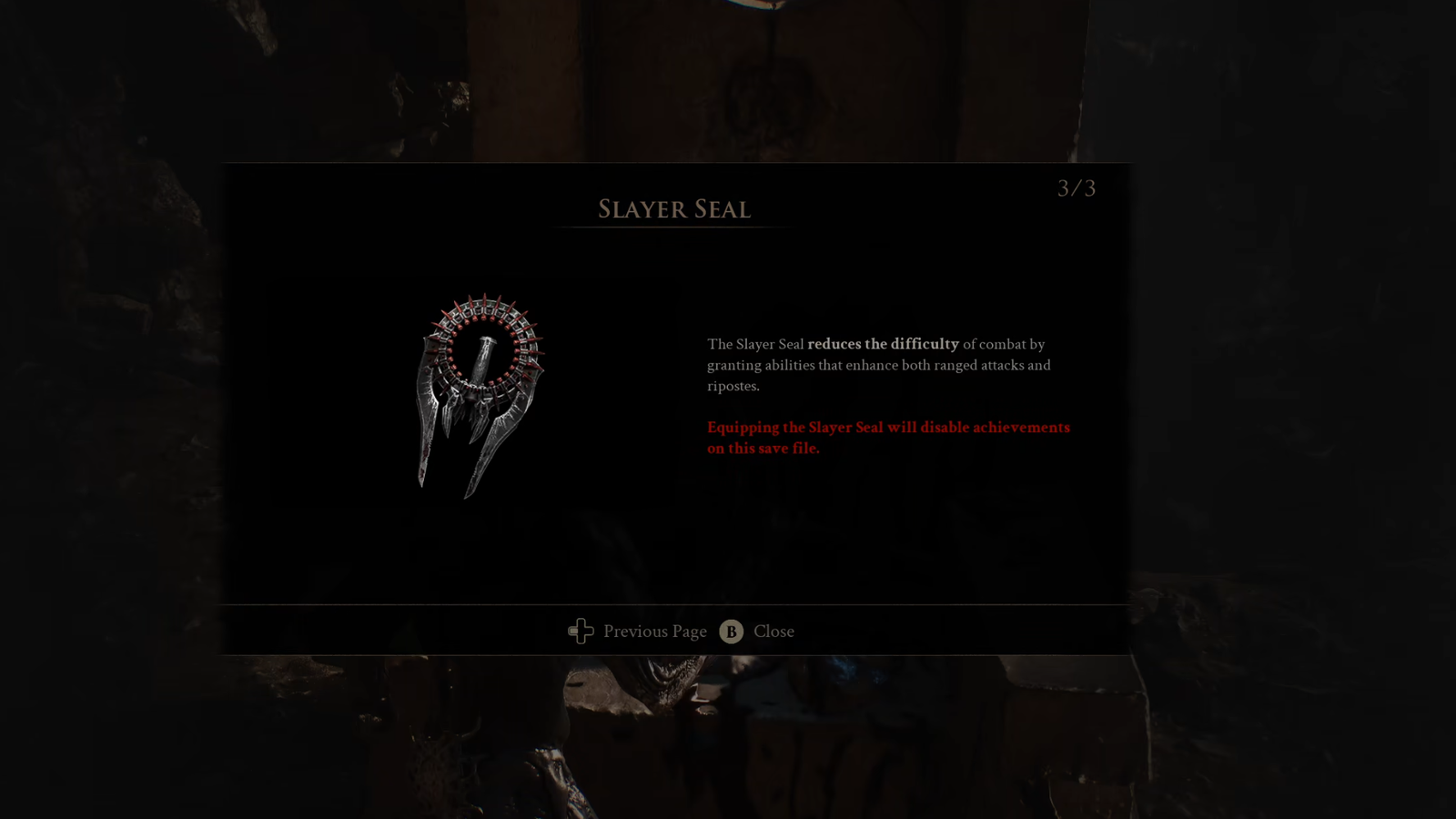
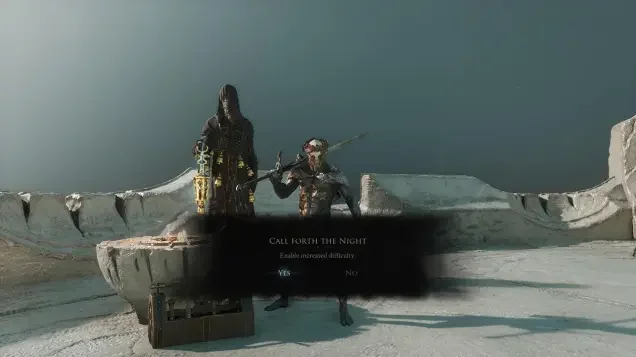
Now, if you’re still not finding your tempo, there is another major offering to help folks find their footing. Once past the tutorial and exploring the hub area, you’ll come across the Slayer Seal. This Seal will replace the parry of your choice in favor of the game’s “story difficulty,” reducing the difficulty overall and granting enhancements to both ranged attacks and ripostes. Trophies and achievements are disabled, but if you’re not bothered by missing out, it’s a fantastic option to learn the ins and outs of how the clock ticks. “But Mike, difficulty options are strictly forbidden!” Respectfully, simmer the heck down. Between Lies of P and Mortal Shell II, creative difficulty options need to become standard. It’s silly to disallow someone from enjoying a game at their own pace. And hey, for the capital ‘G’ Gamers(™), Night Mode exists to increase the difficulty (and add some sick secrets, too).
I’m sure you’ve all read countless reviews by now about the pure aura of Mortal Shell II and how alluring the world is to explore. That wasn’t the purpose of this piece in particular, but TL;DR: it all whips. Setting players up for success in finding their confidence creates an unforgettable experience, and with Mortal Shell II, it only elevates the aura, world, and the package as a whole. Curious newcomer or seasoned vet, it’s the first soulslike I could confidently recommend to any player with my whole chest. As the latter, goddamn. I’ve never been so happy to be proven wrong after greeting the reveal trailer with a deflated sigh. Kudos to Cold Symmetry for not only understanding the assignment, but also for taking bold, player-forward swings and considering genre newcomers as well.
