Penguin Colony is the most important video game of the year.
Umurangi Generation made me a lifelong fan of developer ORIGAME DIGITAL, as well as a keen admirer of the human beings behind the studio themselves. During my initial approach with Umurangi, I anticipated a blend of Pokémon Snap and Tony Hawk’s Pro Skater with a sick aesthetic. What I received was one of the most punk rock experiences that may go unmatched as I slowly approach my expiration date. Umurangi was a clear depiction of a studio not afraid to use its talent to say something meaningful. It was refreshing, and I was eager for more.
Discovering Penguin Colony simply came from curiosity. I was scouting games for an upcoming Six One Indie Showcase, and something told me to click ORIGAME DIGITAL’s developer page on Steam. That led me to a store page with a brief description, a few screenshots of penguins, and no trailer. I already knew there was more than meets the eye, and watching what would eventually become the world premiere trailer for our showcase made that crystal clear from the jump. The studio was onto something special, but even with sky-high expectations, the end product is an astonishing and bold display of what it means to stand on business.
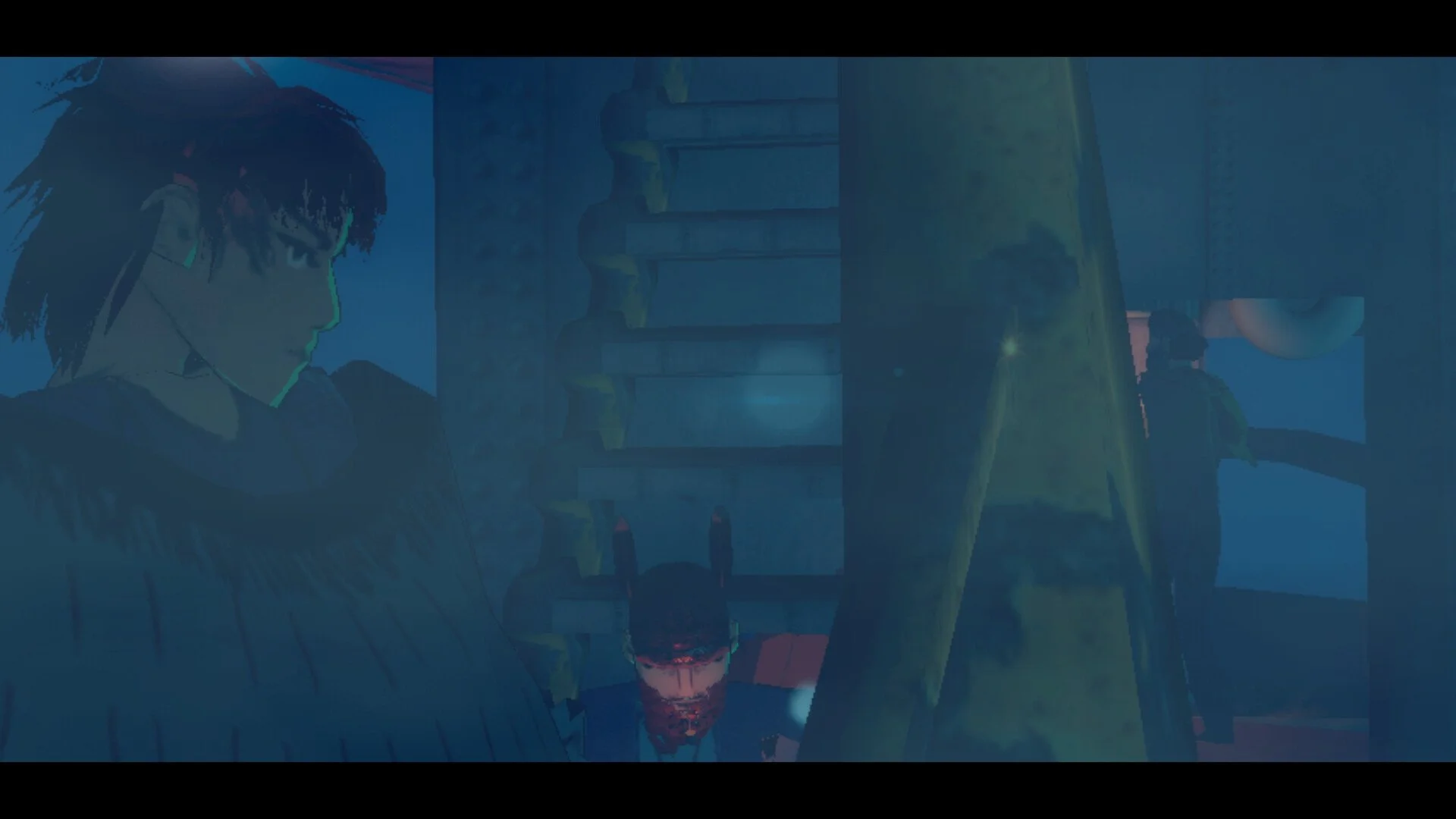
Penguin Colony is a reimagining of H.P. Lovecraft’s At the Mountains of Madness and The Shadow Out of Time, works I had personally neither read nor had any prior knowledge of before playing. The story follows Howard Blakely, a scholar in pursuit of knowledge following a 1930s Nazi regime as they answer an otherworldly call in the Arctic. Simultaneously, the Kaitiaki, those who call the Arctic their home, look to fulfill their ancestral duties to silence the call. The twist: it’s all seen through the eyes of a penguin, with accompanying narration from Blakely.
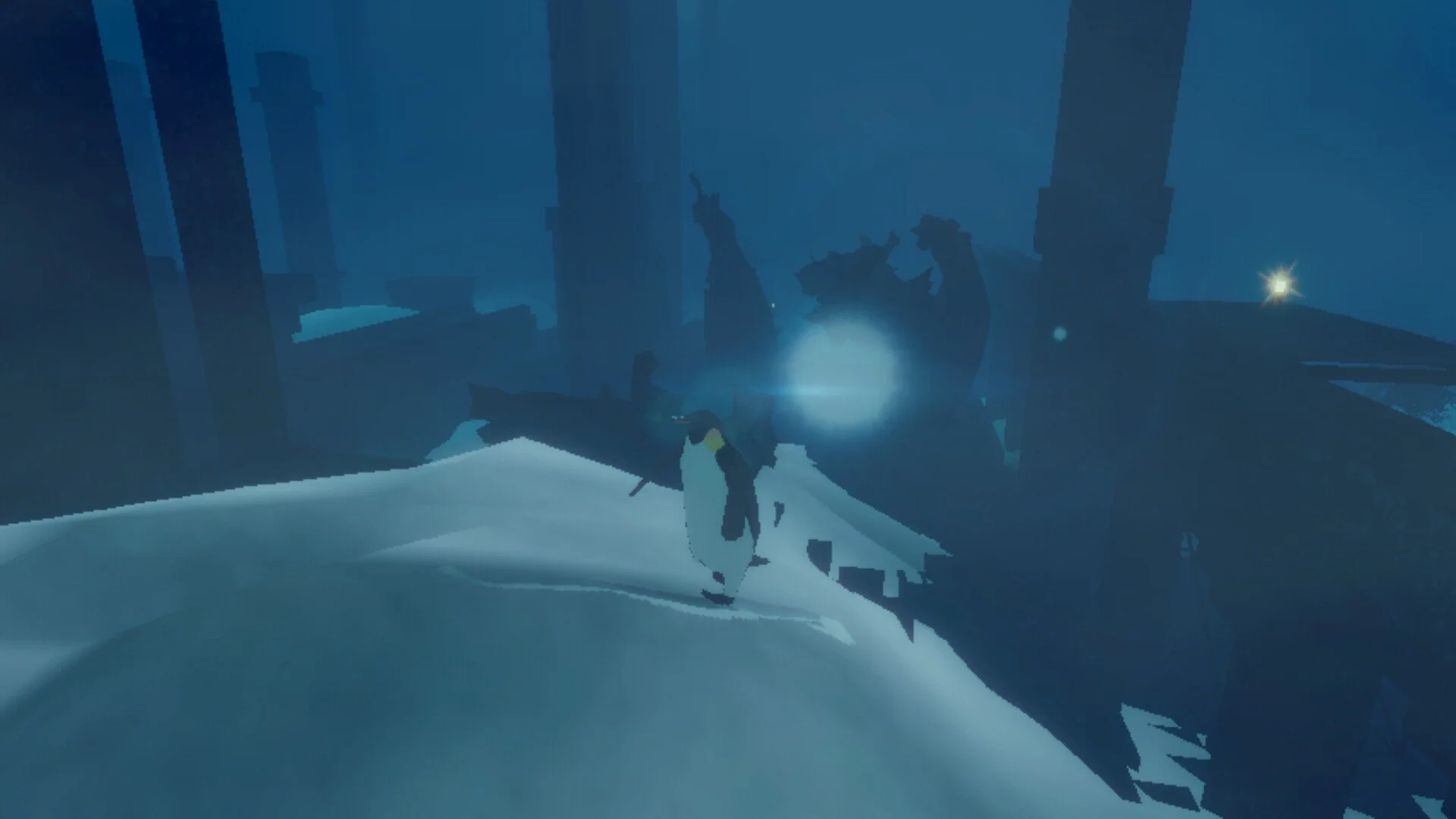
When covering the demo, I took a bit of a lighter approach. I described the unsettling innocence that comes with engrossing yourself in the feathers of these creatures while unceremoniously navigating the surrounding nightmare (both cosmic and all-too-human). It was fun to roleplay as a penguin unknowingly waddling their way toward a friendly hello with god knows what lurking in the dark. And yes, to reiterate a note from that preview, it was also fun shredding gnar on an icy halfpipe surrounded by Nazi corpses. But as I settled into the full build and delved deeper into the frigid abyss, that unsettling innocence grew into something more. Something that stretches beyond the horror as a a piece of fiction into the real word.
Penguin Colony is a story with heavy themes of colonialism. The game portrays an invading force ravaging the home of both animals and humans alike for personal gain, no matter the cost. The MacGuffin in play is this conflict revolving around a cosmic being, a seemingly fictitious (or maybe not - who the hell knows at this point), godlike figure awoken in an alternate take on reality. But the human element, both good and vile, is all too grounded.
At the time of publishing, we’re one week removed from the three-year anniversary of the ongoing genocide in Gaza against the Palestinian people with no end in sight. The title of this piece, “Penguin Colony Is the Most Important Video Game of the Year,” is no exaggeration. The actions of the fascist group invading the Arctic closely mirrors our reality. While a deafening silence lingers through many individuals who have a platform to speak up, Penguin Colony feels like a resonant piece with intent and purpose. It’s a piece that’s not afraid to show you how completely fucked humanity can be towards one another, and the importance of taking action before things become unimaginably worse.
That aforementioned unsettling innocence of the penguins? Well, there are two interpretations I personally felt as time progressed. One is simple: the penguin is a lens that captures the narrative, and we’re simply along for the ride. But if that were the case, technically there shouldn’t be a fail state, right? If the penguin is acting as a camera, I shouldn’t be able to die nor have the ability to affect my surroundings. So to use this term again, the second feels a bit more grounded. What can an innocent penguin realistically do against a group of invading Nazis? Nothing. Meanwhile, what can an innocent child realistically do when faced with a threat? Nothing. Am I reading too much into it? A completely valid possibility. But with everything going on nowadays, both here in the states and across the globe, it’s quite difficult to not see our reality through the eyes of a penguin.
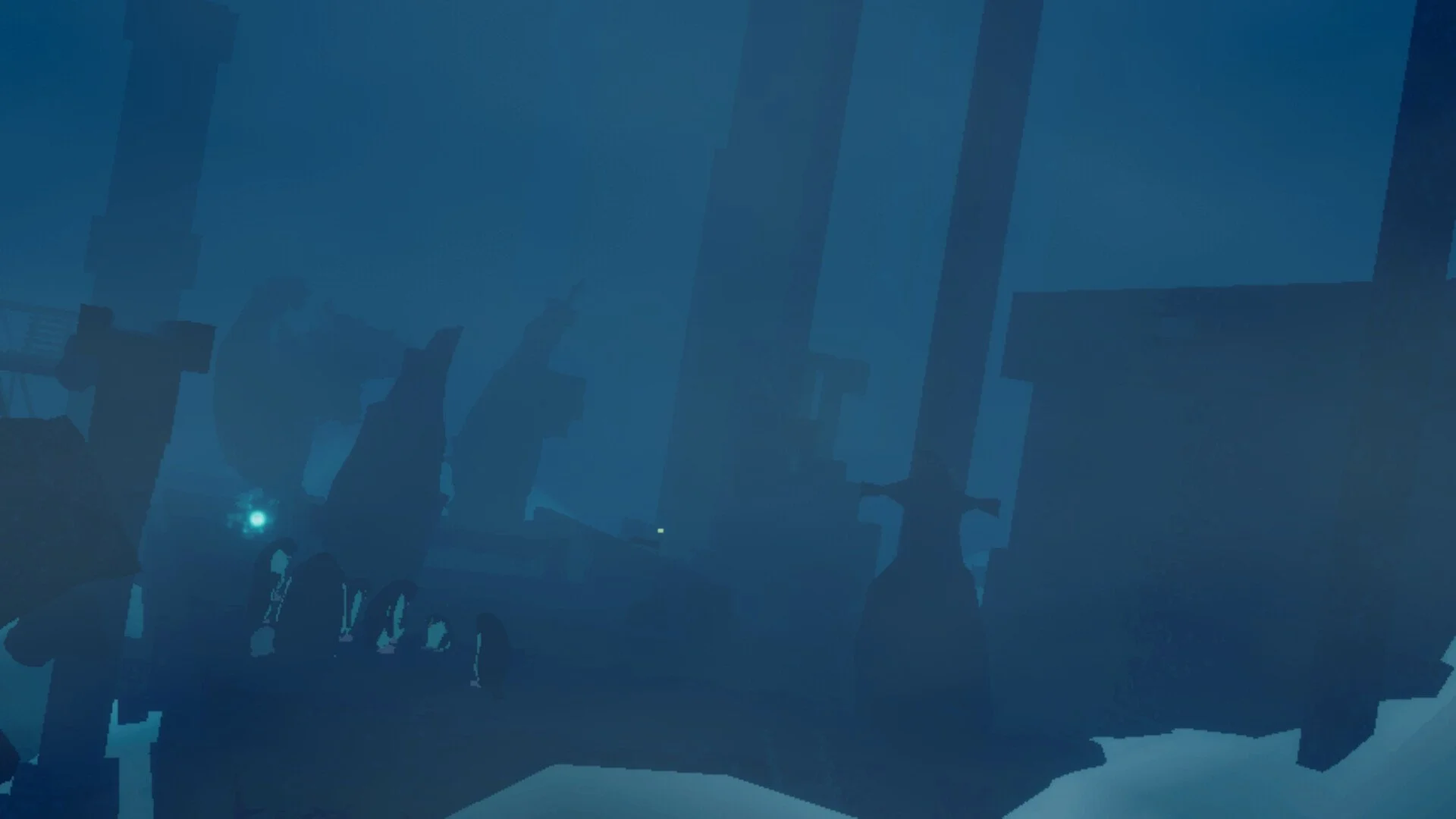
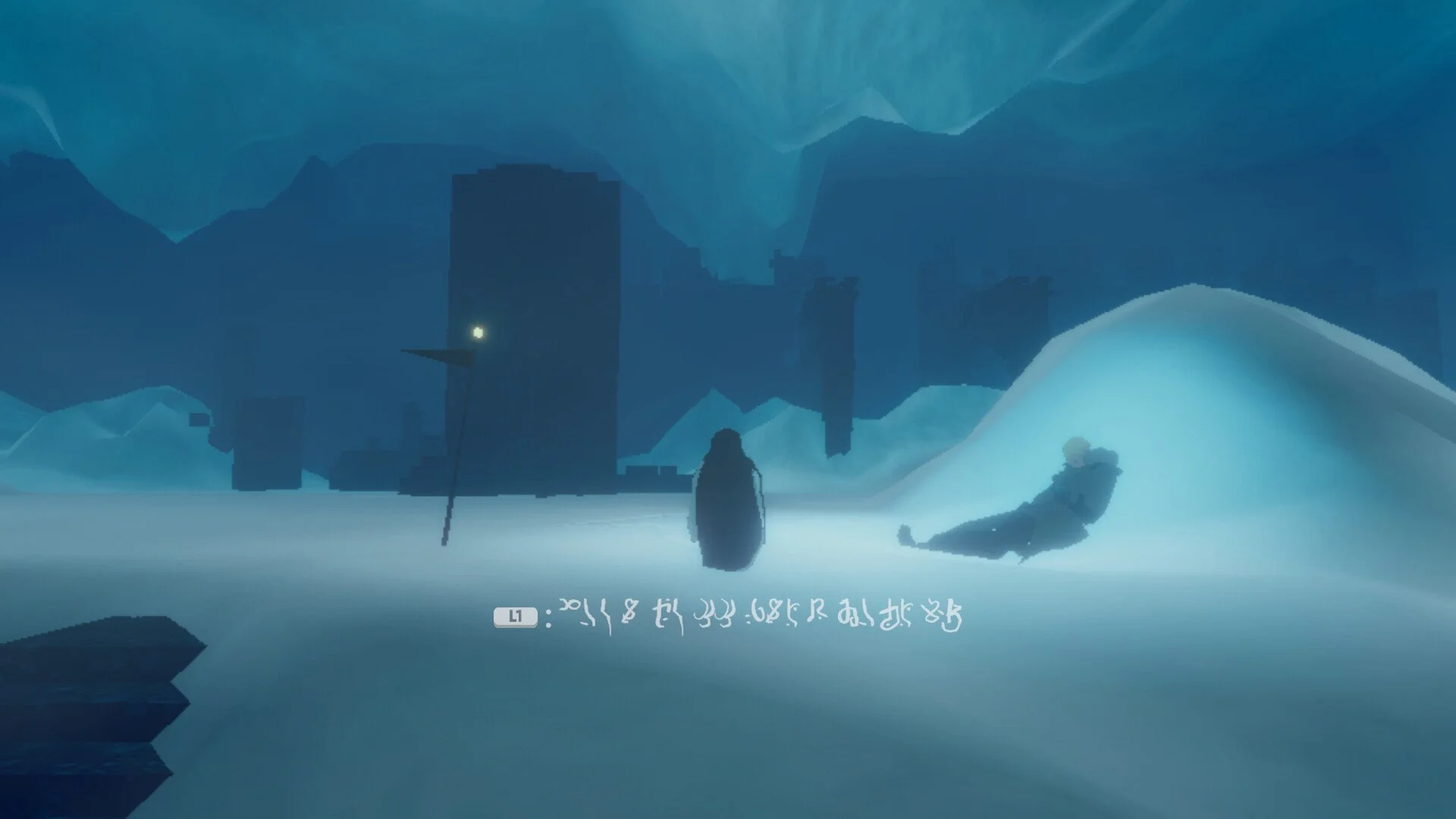
Now, this is a video game. While I’m not necessarily writing a review here, I’d be remiss not to mention why Penguin Colony also rips as a video game. Top to bottom, Penguin Colony is a banger throughout. The alluring atmosphere, the collectible language system, Lenval Brown’s generational performance as Blakely, the utterly bonkers twists and turns when it comes to toying with the player. There are a few capital V.G. Video Game ass moments I will think about for years to come. But at the end of the day, this game is so much more. Like Umurangi Generation, it’s a statement piece. It’s a masterclass in showing the power this medium holds. Video games can and should be fun, yes. But there is also room to use the art to speak out against the vile bullshit that ravages the livelihoods of countless individuals (past, present, and future).
We all interpret art in all sorts of unique ways personal to each of us. That’s one of the many things that makes being human so beautiful. But what I genuinely appreciate most about Penguin Colony may be the credits. ORIGAME DIGITAL takes the opportunity to directly stand on business through a bulletproof endcap. It’s something I won’t “spoil,” as I believe it’s best told through director Tali Faulkner’s own words. But what I will do is thank those involved in pouring their everything into this experience. Y’all definitely solidified yourselves the most punk rock studio working today.
